Rubbish removal tips near University of Roehampton campus
Posted on 04/09/2026
Rubbish removal tips near University of Roehampton campus: a practical local guide
If you live, study, work, or move through the area around the University of Roehampton campus, rubbish can pile up faster than you expect. One day it is a few cardboard boxes and takeaway containers; the next it is a broken desk, a sagging mattress, and three bin bags that somehow appeared overnight. That is exactly why sensible Rubbish removal tips near University of Roehampton campus matter. You want a tidy flat, a clear hallway, and a simple way to deal with waste without creating stress, mess, or a late-night scramble.
This guide is written for real life near campus: student lets, shared houses, landlords, small offices, house moves, end-of-term clear-outs, and those awkward moments when the item is too big for normal bin collection. You will find straightforward advice on sorting rubbish, avoiding common mistakes, planning pickups, and choosing the right disposal route. A little preparation goes a long way. Honestly, it usually saves more time than people expect.
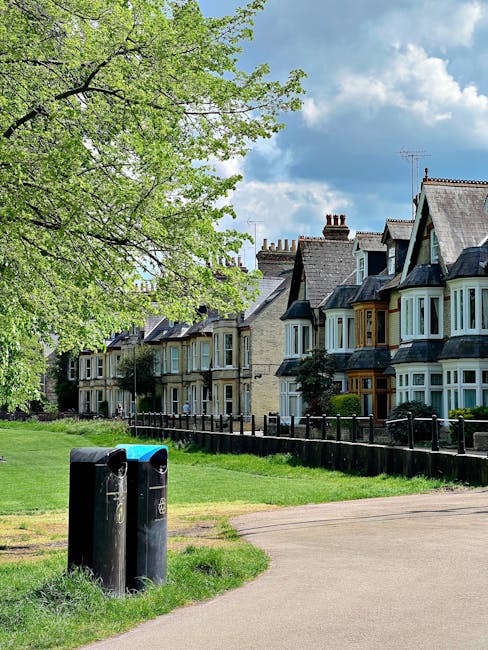
Why rubbish removal near University of Roehampton campus matters
Rubbish removal around a campus is not just about neatness. It affects safety, access, neighbours, pest prevention, and the general feel of the property. Near a university, you also get the usual student-living realities: frequent move-ins and move-outs, shared kitchens, tired furniture left behind, and a lot of packaging from deliveries. One overflowing bin can become a whole corridor problem by tea time.
In Roehampton, the local mix matters too. You have student accommodation, residential streets, rental homes, and busy routes where space is limited. If waste is left in the wrong place for too long, it can create visual clutter and make it harder for residents, cleaners, or waste teams to do their job properly. That is why the best rubbish removal approach is usually the one that is organised, quick, and proportionate to the amount of waste you actually have.
There is also a practical trust angle. If you are clearing waste after a house share ends, a room is being re-let, or a business needs a tidy handover, the way rubbish is handled tells people a lot about standards. A clean finish says: this place is cared for. Simple as that.
Expert summary: Near university areas, the best rubbish removal plan is not the biggest one; it is the one that matches the waste type, access constraints, and timing of the property. Sort first, move safely, and choose the least disruptive option that gets the job done properly.
If you want a broader local perspective on the area itself, you may also find this resident's view of Roehampton living useful, especially if you are getting used to the rhythm of the neighbourhood.
How rubbish removal near campus works
At its most basic, rubbish removal follows a simple pattern: identify the waste, separate what can be reused or recycled, check what needs special handling, and arrange collection or transport to an appropriate disposal route. The details matter, though. A bag of old clothes is not the same as a fridge, and a stack of broken shelves is not the same as garden cuttings.
Near the University of Roehampton campus, the process often starts with access. Can a van stop nearby? Is there a lift? Are there shared entrances, stairs, permit restrictions, or time windows for collection? These practical details can change the whole plan. In student housing, the key is often speed and coordination. In rented family homes, it may be about bulky items and disposal during a tenancy change. In offices or small commercial spaces, discretion and timing matter more.
A decent rubbish removal workflow usually looks like this:
- Walk through the space and list the items.
- Separate general waste, recycling, reusable items, and anything hazardous.
- Decide what must be collected urgently and what can wait.
- Measure or estimate bulky items so access is realistic.
- Arrange a collection method that fits the volume and waste type.
- Keep the route clear on the day so the removal is fast and safe.
That may sound obvious, but most messes happen when people skip the sorting stage and jump straight to hauling bags to the pavement. Then they realise a broken wardrobe will not fit in the car boot, or that a few heavy boxes are much more awkward than they looked on the floor. Funny how that happens.
For a fuller overview of what a professional service can cover, see the broader services overview and the specific rubbish collection service in Roehampton if you need a straightforward collection option.
Key benefits and practical advantages
Good rubbish removal is not only about getting rid of things. It gives you back space, time, and a bit of mental breathing room. Near campus, that can be the difference between a chaotic end of term and a smooth move-out. It can also help avoid awkward conversations with housemates, landlords, or facilities teams. Nobody enjoys those, let's be honest.
- Faster room turnaround: Helpful for student lets, end-of-tenancy cleans, and quick re-lets.
- Safer spaces: Less trip risk from bags, boxes, broken furniture, or loose glass.
- Better presentation: Important for viewings, inspections, open days, and welcoming guests.
- Improved recycling: Sorting items properly often diverts more from general waste.
- Less stress: You stop carrying mental clutter as well as physical clutter.
There is also a small but real cost benefit. When rubbish is organised before collection, you usually reduce wasted trips, surprise delays, and the need for last-minute second runs. If you have ever tried to cram a dismantled bed frame into a tiny hatchback in the rain, you already know the value of planning. It is not glamorous work. But it pays off.
For people who care about responsible disposal and greener habits, the local approach should ideally support reuse and recycling where possible. You can read more about the company's approach to this in recycling and sustainability.
Who this is for and when it makes sense
Rubbish removal near the University of Roehampton campus is relevant to more people than you might think. The most obvious group is students, especially those in shared houses, halls, or short-term rentals. But the need stretches further than that.
- Students: End-of-term clear-outs, flat moves, broken furniture, boxes, kitchen clutter, and unwanted appliances.
- Landlords and letting agents: Quick turnaround between tenancies and post-tenant rubbish left behind.
- Homeowners: Loft clearances, old furniture, garden waste, or general decluttering.
- Small businesses: Office moves, old desks, packaging waste, and mixed office clutter.
- Renovators: Light builders' waste, packaging, timber offcuts, and broken fixtures.
It makes sense to act sooner rather than later when the waste starts affecting daily life. That might be when the hallway is no longer passable, the bin area is overloaded, or the room starts to feel unliveable. Sometimes the trigger is more emotional: you walk in, see the clutter, and think, right, enough now. That is usually the moment to start.
If you are moving, the guide on organising your home for a move abroad can also be helpful because it deals with the same basic challenge: reduce volume first, then deal with the remainder efficiently.
Step-by-step guidance
Here is a practical way to handle rubbish removal near campus without making it harder than it needs to be.
1) Walk the space slowly
Do a proper scan of the room, hallway, garden, loft, or office. Look for hidden items in cupboards, under beds, in communal corners, and behind doors. The sneaky stuff is always there. A dead printer, a cracked lamp, three mystery cables, and at least one chair nobody claims.
2) Split everything into clear piles
Use four simple groups: keep, donate/reuse, recycle, and dispose. This makes decisions easier, especially in shared homes where everyone has an opinion but nobody wants to decide. If the item is usable, it may be better to pass it on. If it is damaged, stained, or unsafe, keep it out of the reuse pile.
3) Identify anything that needs special handling
White goods, paint, batteries, old electronics, and some bulky items need more care than general rubbish. Do not assume all items can go in one big mixed pile. Separate them early and keep them labelled if possible. It saves time later.
4) Measure bulky items before you lift
Doors, stairwells, lifts, and corner turns matter. A sofa that looks manageable in a bedroom can become a stubborn beast in the staircase. If access is tight, measure before moving. That small step can prevent damage to walls, hands, and tempers.
5) Choose the disposal route
Once you know the volume and type of waste, choose between a collection service, a one-off clearance, or a broader waste disposal visit. For mixed household waste, domestic waste collection in Roehampton may be the cleanest fit. For heavier items, furniture removal or furniture disposal is usually more appropriate.
6) Clear the route and protect surfaces
Lay down simple protection where needed, especially in shared halls or narrow staircases. Move bins, bikes, and loose shoes out of the way. That little bit of prep keeps the job quick and stops the "who dented the wall?" conversation later. Nobody wants that.
7) Finish with a final sweep
After collection, check corners, under units, and behind doors. These are the places where one stray cable or single shoe mysteriously survives everything. A five-minute sweep saves a lot of annoyance.
Expert tips for better results
After enough rubbish clear-outs, a pattern emerges. The best jobs are the ones where people do less on the day and more beforehand. That sounds backwards, but it really works.
- Book around your schedule, not against it. If you are juggling lectures, deadlines, or a move-out date, aim for a time when the property is least busy.
- Keep recycling separate from general waste. Even a basic split between cardboard, glass, and mixed rubbish helps.
- Take photos before the clear-out. Useful for landlords, handovers, or just peace of mind.
- Use identical bags where possible. It makes handling and stacking much easier.
- Label anything questionable. "Keep," "charity," "e-waste," or "fragile" are surprisingly useful words.
- Plan for the awkward item first. Once the fridge, wardrobe, or sofa is gone, the smaller stuff feels easier.
One practical local insight: near campus, access can be the real bottleneck rather than the waste itself. If parking is tight or the collection point is awkward, tell the service provider early. A ten-second note about stairs or a narrow entrance can save ten minutes of frustration later. That part matters more than people think.
It also helps to know the property context. If you are buying, renting, or investing locally, the pace of clearance often ties into wider property decisions. You might find purchasing property in Roehampton and Roehampton real estate investment insights helpful background reading.
Common mistakes to avoid
Most rubbish-removal headaches are avoidable. The trick is not to rush the boring bits. Here are the mistakes we see most often in student-heavy and rental-heavy areas.
- Leaving sorting until the last minute: This is the classic. Everything gets dumped into one pile and nobody can find the important item.
- Mixing hazardous items with general rubbish: Batteries, chemicals, and some electrical waste should be separated.
- Underestimating volume: Bags multiply. It is one of life's unpleasant little jokes.
- Ignoring access: A clear route matters, especially with bulky furniture.
- Forgetting shared responsibilities: In flats or shared houses, agree who is doing what before the clutter gets emotional.
- Choosing the wrong disposal method: A garden pile, white goods, and office furniture do not all need the same solution.
One more subtle issue: people sometimes keep too much "just in case." Spare chairs, half-working appliances, old exercise equipment, broken shelves - they linger because they are not urgent. But clutter is sneaky. If it no longer serves a purpose, it is probably costing you space and attention.
If the work involves mixed or heavier items, the right clearance route can help avoid these problems. You can explore more specialised options such as waste clearance, house clearance, or loft clearance depending on the kind of property you are dealing with.
Tools, resources and recommendations
You do not need a professional toolkit to manage rubbish removal well, but a few simple items make the job easier. Nothing fancy. Just the stuff that keeps people from dropping a lamp while muttering under their breath.
- Heavy-duty bin bags: Better for mixed household waste and lighter soft items.
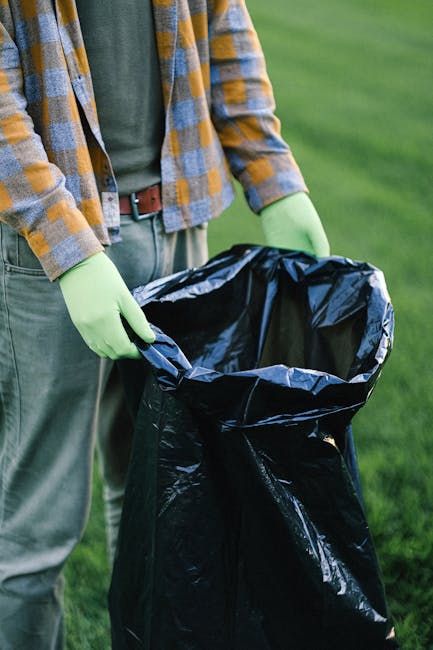
- Gloves: Useful when dealing with dusty loft items, sharp edges, or old packaging.
- Marker pen and tape: Ideal for labelling donation piles or special items.
- Trolley or sack truck: Helpful for heavier boxes and appliances, if safe to use.
- Measuring tape: Worth keeping nearby for sofas, wardrobes, and awkward hallway turns.
- Cleaning cloths and sweeping brush: Handy for the final tidy-up after collection.
For service information and wider practical planning, the company's pages on white goods and appliance disposal, builders' waste disposal, and office clearance can help you match the service to the type of rubbish you actually have.
If you are comparing options, it is also sensible to look at timing, payment approach, safety standards, and any terms that apply. The supporting pages on pricing and quotes and payment and security are useful for setting expectations before you book. That bit is dull, yes, but it is worth doing.
Law, compliance, standards, and best practice
Waste removal in the UK has a compliance side, and near a university it becomes even more important because waste streams are often mixed and fast-moving. You do not need to turn into a legal scholar, but you should know the basics. Waste should be handled responsibly, passed to properly authorised operators, and separated where that reduces environmental harm or contamination.
Best practice means checking whether the person or company handling waste is set up to do so correctly, keeping clear records where needed, and avoiding fly-tipping risks. Fly-tipping is not just a nuisance; it can create real problems for property managers, residents, and local streets. In plain English: if someone takes rubbish away for cheap and leaves it somewhere random, the headache often comes back to the person who arranged it.
For peace of mind, it is sensible to look for clear proof of compliance, safe handling, and proper insurance. You can review the company's own statements on waste carrier licence and compliance, insurance and safety, and terms and conditions. Those pages help set a practical baseline.
There is also an environmental angle. Sorting recyclables, avoiding contamination, and reducing unnecessary landfill use are all sensible goals. If you are managing waste for a rental property, shared house, or student accommodation, that standard matters even more. It is not about being perfect. It is about being responsible and consistent.
Options, methods, and comparison table
Different rubbish removal methods suit different situations. The best choice depends on volume, item type, timing, access, and whether you are clearing a room, a flat, a garden, or an office. Here is a simple comparison to make the choice clearer.
| Method | Best for | Strengths | Watch-outs |
|---|---|---|---|
| Self-sorting and recycling | Small to medium household waste | Low cost, good for reusable and recyclable items | Time-consuming; not ideal for bulky items |
| One-off collection | Mixed bags, small furniture, general clutter | Convenient and usually quick | Needs clear access and sensible sorting |
| Furniture removal | Sofas, beds, tables, wardrobes | Safer for heavy or awkward items | Measure access first; dismantling may help |
| House or loft clearance | Full-property or storage-space clean-outs | Best for larger, more varied jobs | Requires more prep and clearer item lists |
| Office clearance | Desks, chairs, filing, old office equipment | Useful for business moves or refurbishments | Timing and discretion matter more |
In practice, most people near campus fall into the second or third column. A student flat with bagged waste and a broken chair does not need an elaborate plan. A shared house with three years of "we'll deal with it later" absolutely does. Different jobs, different approach.
Case study or real-world example
Here is a realistic example from the kind of situation that comes up all the time near campus.
A shared student house is ending the tenancy at the end of June. The hallway has four bin bags, two damaged chairs, a small desk, a broken TV stand, cardboard from delivery boxes, and a pile of mixed kitchen items nobody wants to claim. One housemate is leaving early, another is away, and the last person is trying to study while the living room slowly turns into a storage unit.
What worked well in this case was simple:
- They made one list of what was staying and what was going.
- Cardboard and general waste were separated before collection day.
- The desk and chairs were measured and moved into a clear corner.
- Anything reusable was set aside rather than thrown in with rubbish.
- The flat was cleaned after the bulky items were removed, not before.
The result was a calmer move-out, fewer awkward arguments, and no last-minute panic over who would take the broken furniture. The whole thing felt ordinary, which is actually the goal. The best rubbish removal jobs are often the ones that look uneventful from the outside.
That same calm approach helps if you are preparing a property for sale, re-letting, or a life change. If you want a broader look at how local decisions shape property and living choices, behind the scenes of Roehampton as a suburb offers a useful local backdrop.
Practical checklist
Use this before any rubbish removal near the University of Roehampton campus. It keeps things tidy, calm, and much less chaotic.
- Sort waste into keep, donate, recycle, and dispose.
- Separate any electrical items, batteries, paint, or other special waste.
- Measure bulky furniture and check access routes.
- Clear halls, stairs, and doorways before collection day.
- Use strong bags and reliable boxes for loose items.
- Label anything that is fragile, reusable, or to be kept.
- Confirm the collection time and where items should be placed.
- Take photos if you need a handover record.
- Do a final sweep for cables, screws, keys, and small bits.
- Dispose of waste responsibly and keep your paperwork or confirmation where relevant.
That is the backbone. Nothing fancy. But it works.
Conclusion
Rubbish removal near the University of Roehampton campus is easiest when you keep it simple: sort early, separate waste types, think about access, and choose the right disposal route for the job. Whether you are a student clearing a room, a landlord turning over a property, or a local resident finally tackling the loft, the same principle applies. Good preparation saves time, money, and a fair amount of frustration.
And really, that is the point. You do not need a perfect system. You just need one that gets the clutter out safely, responsibly, and without turning the day into a minor disaster. A tidy space changes the feel of a property more than people expect. It gives you back room to breathe.
Get a free quote today and see how much you can save.


 Tipper Van - Rubbish Removal and Garden Waste Clearance Prices in Roehampton, SW15
 Luton Van - Rubbish Removal and Garden Waste Clearance Prices in Roehampton, SW15